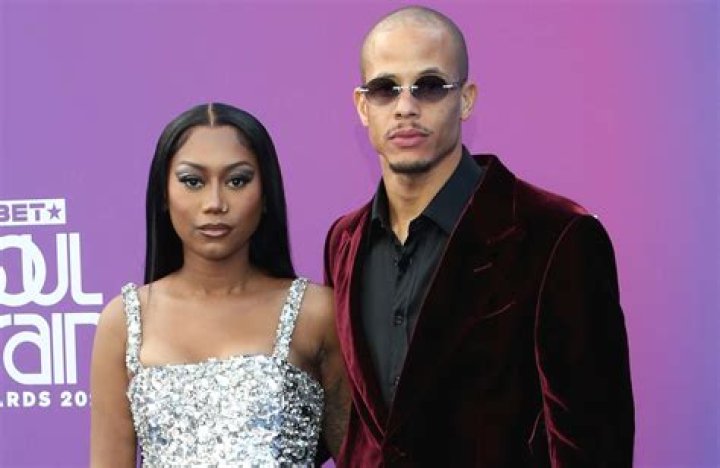
The phrase "what era is your face from" is an interesting and somewhat subjective way to describe a person's appearance. It is often used to describe someone who has a face that looks like it belongs to a different time period. For example, someone with a very youthful face might be said to have a face from the Victorian era. Conversely, someone with a more mature face might be said to have a face from the Renaissance era.
There is no one definitive answer to the question of "what era is your face from." Ultimately, it is up to the individual to decide which era they feel their face most closely resembles. However, there are a few factors that can influence a person's facial appearance, including their genetics, their lifestyle, and their personal style.
People who are interested in learning more about the history of facial aesthetics can explore various resources, such as books, articles, and websites. Additionally, there are a number of museums and historical societies that have exhibits on the topic.
What Era Is Your Face From?
The phrase "what era is your face from" is a unique way to describe a person's appearance. It can be used to describe someone who has a face that looks like it belongs to a different time period. For example, someone with a very youthful face might be said to have a face from the Victorian era. Conversely, someone with a more mature face might be said to have a face from the Renaissance era.
- Genetics: Our genes play a significant role in determining our facial features.
- Lifestyle: Our lifestyle choices, such as our diet and exercise routine, can affect our facial appearance.
- Personal style: The way we dress and groom ourselves can also influence how others perceive our age.
- Culture: The culture we live in can also shape our facial aesthetics.
- History: The history of facial aesthetics can provide us with insights into how our faces have changed over time.
- Art: Art can be a valuable tool for understanding the changing ideals of facial beauty.
- Fashion: Fashion can also influence our perceptions of facial beauty.
- Media: The media can play a role in shaping our perceptions of facial beauty.
These are just a few of the key aspects that can influence our facial appearance. By understanding these factors, we can gain a better understanding of what era our face is from and how we can best care for our skin and our overall appearance.
Genetics
Our genes play a significant role in determining our facial features. This is because genes contain the instructions for making proteins, which are the building blocks of our bodies. The proteins in our faces determine our facial structure, our skin tone, and even our hair color.
The connection between genetics and "what era is your face from" is clear. Our genes determine the basic structure of our faces, which can give us a general idea of what era our face is from. For example, someone with a very angular face might be said to have a face from the Renaissance era, while someone with a more rounded face might be said to have a face from the Victorian era.
Of course, genes are not the only factor that determines "what era is your face from." Lifestyle, environment, and personal style can all play a role. However, genes do provide us with a starting point for understanding our facial appearance.
Understanding the connection between genetics and "what era is your face from" can be helpful for a number of reasons. First, it can help us to appreciate the diversity of human faces. Second, it can help us to understand our own facial appearance and how it fits into the broader context of human history.
Lifestyle
Our lifestyle choices can have a significant impact on our overall health and appearance, including our facial appearance. The foods we eat, the amount of exercise we get, and the amount of sleep we get can all affect the way our faces look.
- Diet: The foods we eat can affect our skin health, our weight, and even our facial structure. A diet that is high in processed foods, sugar, and unhealthy fats can lead to a dull complexion, wrinkles, and other skin problems. Conversely, a diet that is rich in fruits, vegetables, and whole grains can help to keep our skin looking healthy and youthful.
- Exercise: Exercise can help to improve our circulation, which can give our skin a healthy glow. Exercise can also help to tone our facial muscles, which can make us look younger and more refreshed.
- Sleep: When we don't get enough sleep, it can show on our faces. We may look tired, puffy, and have dark circles under our eyes. Getting enough sleep is essential for maintaining a healthy and youthful appearance.
By making healthy lifestyle choices, we can help to keep our faces looking their best. Eating a healthy diet, getting regular exercise, and getting enough sleep are all important factors for maintaining a youthful and healthy appearance.
Personal style
Our personal style can say a lot about us, including our age. The way we dress and groom ourselves can make us look older or younger, more sophisticated or more casual. It can also give others clues about our personality and our interests.
- Clothing: The clothes we wear can have a big impact on how old we look. For example, someone who wears clothes that are more youthful, such as bright colors and trendy styles, may be perceived as being younger than someone who wears more conservative or formal clothing.
- Accessories: The accessories we wear can also affect how old we look. For example, someone who wears a lot of jewelry, such as chunky necklaces and bracelets, may be perceived as being older than someone who wears more minimalist jewelry.
- Hairstyle: Our hairstyle can also make us look older or younger. For example, someone with a short, trendy hairstyle may be perceived as being younger than someone with a long, more traditional hairstyle.
- Grooming: The way we groom ourselves can also affect how old we look. For example, someone who takes good care of their skin and hair may be perceived as being younger than someone who does not.
By understanding the connection between personal style and "what era is your face from," we can make choices about our appearance that help us to look and feel our best. If we want to look younger, we can choose to wear more youthful clothing, accessories, and hairstyles. If we want to look more mature, we can choose to wear more conservative clothing, accessories, and hairstyles.
Culture
The culture we live in can have a significant impact on our facial aesthetics. This is because culture influences our values, beliefs, and behaviors, all of which can affect the way we care for our skin and our overall appearance.
- Beauty Standards: Every culture has its own unique standards of beauty. These standards can influence the way people dress, groom themselves, and even undergo cosmetic procedures. For example, in some cultures, it is considered desirable to have a fair complexion, while in other cultures, a darker complexion is considered more attractive.
- Skin Care Practices: Different cultures have different skin care practices. These practices can range from the use of natural ingredients to the use of harsh chemicals. The way we care for our skin can have a significant impact on our facial appearance.
- Diet: The food we eat can also affect our facial appearance. For example, a diet that is high in processed foods, sugar, and unhealthy fats can lead to a dull complexion and wrinkles. Conversely, a diet that is rich in fruits, vegetables, and whole grains can help to keep our skin looking healthy and youthful.
- Stress: Stress can also take a toll on our facial appearance. When we are stressed, our bodies produce cortisol, a hormone that can lead to breakouts, wrinkles, and other skin problems.
By understanding the connection between culture and "what era is your face from," we can gain a better understanding of our own facial appearance and how it fits into the broader context of human history.
History
The history of facial aesthetics is a fascinating and complex one. It can teach us a great deal about how our faces have changed over time, and how our perceptions of beauty have evolved. This knowledge can be helpful for us in understanding "what era is your face from" and how we can best care for our skin and our overall appearance.
- Changing Ideals of Beauty: Throughout history, the ideal of beauty has changed dramatically. In some cultures, it was considered desirable to have a pale complexion, while in other cultures, a darker complexion was considered more attractive. Similarly, the ideal facial features have also changed over time. In some cultures, a small nose was considered to be beautiful, while in other cultures, a large nose was considered to be more attractive.
- The Influence of Art: Art has played a significant role in shaping our perceptions of beauty. The paintings and sculptures of different eras can give us a glimpse into how people in those eras viewed beauty. For example, the paintings of the Renaissance era often depicted women with fair skin, large eyes, and full lips. This ideal of beauty was influenced by the classical Greek ideal of beauty, which was based on the proportions of the human body.
- The Rise of Cosmetic Surgery: In the 20th century, cosmetic surgery became increasingly popular. This allowed people to change their facial features to conform to the current ideal of beauty. For example, many people had their noses reshaped or their breasts enlarged.
- The Impact of Technology: In recent years, technology has had a significant impact on the way we view beauty. The development of digital imaging software has made it possible for people to alter their appearance in photographs and videos. This has led to a new ideal of beauty that is often unattainable. Moreover, the impact of social media has made it easier for people to compare their appearance to others, which can lead to dissatisfaction with one's own appearance.
By understanding the history of facial aesthetics, we can gain a better understanding of how our faces have changed over time and how our perceptions of beauty have evolved. This knowledge can be helpful for us in understanding "what era is your face from" and how we can best care for our skin and our overall appearance.
Art
Art is a reflection of the society in which it is created. It can tell us about the values, beliefs, and aspirations of a particular time and place. This is especially true of art that depicts the human face. By studying the way that faces have been depicted in art throughout history, we can learn a great deal about how our perceptions of beauty have changed over time.
For example, the paintings of the Renaissance era often depicted women with fair skin, large eyes, and full lips. This ideal of beauty was based on the classical Greek ideal of beauty, which was based on the proportions of the human body. In contrast, the paintings of the Baroque era often depicted women with darker skin, smaller eyes, and thinner lips. This ideal of beauty was influenced by the rise of the Catholic Church, which promoted a more modest and pious view of beauty.
The changing ideals of facial beauty are also reflected in the way that people have undergone cosmetic surgery. In the early 20th century, for example, many people had their noses reshaped to make them appear smaller and more delicate. This was in line with theideal of beauty, which was based on the features of silent film stars. Today, however, many people choose to have their noses enlarged to make them appear more prominent. This is in line with the current ideal of beauty, which is based on the features of celebrities and models.
By understanding the connection between art and the changing ideals of facial beauty, we can gain a better understanding of our own perceptions of beauty. We can also learn to appreciate the diversity of human beauty and to challenge the narrow standards of beauty that are often promoted in the media.
Fashion
Fashion is a powerful force that can shape our perceptions of beauty. The clothes we wear, the accessories we choose, and the way we style our hair and makeup can all send messages about our personality, our status, and even our era.
- Changing Trends: Fashion trends change constantly, and this can have a significant impact on our perceptions of facial beauty. For example, in the 1950s, women with full lips and hourglass figures were considered to be the epitome of beauty. Today, a more natural look is considered to be more attractive. As fashion trends change, so too do our perceptions of what is considered to be a beautiful face.
- Cultural Influences: Fashion is also influenced by culture. In some cultures, for example, it is considered to be beautiful to have a fair complexion, while in other cultures, a darker complexion is considered to be more attractive. Similarly, the ideal facial features can vary from culture to culture. In some cultures, for example, a small nose is considered to be beautiful, while in other cultures, a large nose is considered to be more attractive.
- Personal Style: Our personal style can also influence our perceptions of facial beauty. Some people prefer to dress in a classic style, while others prefer to dress in a more trendy style. Our personal style can reflect our personality and our values, and it can also influence the way we perceive the faces of others.
- Media Influence: The media can also have a significant impact on our perceptions of facial beauty. The images of celebrities and models that we see in magazines, on television, and in movies can shape our ideas about what is considered to be a beautiful face. This can lead to unrealistic expectations and dissatisfaction with our own appearance.
By understanding the connection between fashion and "what era is your face from," we can gain a better understanding of how our perceptions of beauty are shaped by external factors. We can also learn to be more critical of the images of beauty that we see in the media and to develop a more realistic and positive body image.
Media
The media is a powerful force in our society, and it can have a significant impact on our perceptions of beauty. The images of celebrities and models that we see in magazines, on television, and in movies can shape our ideas about what is considered to be a beautiful face. This can lead to unrealistic expectations and dissatisfaction with our own appearance.
- Facet 1: Idealized Images
The media often presents us with idealized images of beauty. These images are often airbrushed and edited to remove any imperfections. This can create an unrealistic expectation of beauty and make us feel like we don't measure up.
- Facet 2: Narrow Standards of Beauty
The media often promotes a very narrow standard of beauty. This standard is often based on race, gender, and socioeconomic status. This can lead to feelings of exclusion and inadequacy for people who don't fit into this narrow standard.
- Facet 3: unattainable beauty
The media often presents us with images of beauty that are unattainable for most people. This can lead to feelings of frustration and disappointment. It can also make us feel like we need to change our appearance in order to be accepted.
- Facet 4: Media Literacy
Developing critical thinking about media is essential for avoiding negative impacts on self-perception and body image. When we can recognize that media images are often unrealistic, we can be less likely to compare ourselves to them. We can also be more critical of the messages that the media sends us about beauty.
The media's portrayal of beauty can have a significant impact on our perceptions of "what era is your face from." The images of beauty that we see in the media can shape our expectations for ourselves and others. They can also influence our decisions about cosmetic surgery and other procedures that we use to change our appearance. By understanding the media's role in shaping our perceptions of beauty, we can be more critical of the images that we see and make more informed decisions about our own appearance.
FAQs about "What Era Is Your Face From"
The phrase "what era is your face from" is a unique way to describe a person's appearance. It can be used to describe someone who has a face that looks like it belongs to a different time period. For example, someone with a very youthful face might be said to have a face from the Victorian era. Conversely, someone with a more mature face might be said to have a face from the Renaissance era.
Question 1: What factors can influence "what era is your face from"?
Answer: Several factors can influence "what era is your face from," including genetics, lifestyle, personal style, culture, history, art, fashion, and media.
Question 2: How can I determine "what era is my face from"?
Answer: There is no one definitive way to determine "what era is your face from." However, you can consider the factors listed above and think about which era your face most closely resembles.
Question 3: Is it possible to change "what era is my face from"?
Answer: While it is not possible to change your genetics, you can make lifestyle changes, such as eating a healthy diet and getting regular exercise, that can improve your overall appearance and make you look more youthful.
Question 4: What are the benefits of understanding "what era is my face from"?
Answer: Understanding "what era is your face from" can help you appreciate the diversity of human faces and understand your own facial appearance better. It can also help you make informed decisions about your appearance and how you want to present yourself to the world.
Question 5: What are some common misconceptions about "what era is my face from"?
Answer: One common misconception is that "what era is your face from" is based solely on age. However, as we have discussed, several other factors can influence your facial appearance.
Question 6: Where can I learn more about "what era is my face from"?
Answer: Several resources are available online and in libraries that can provide you with more information about "what era is your face from." You can also consult with a dermatologist or plastic surgeon to learn more about the factors that influence facial appearance and the options available to change your appearance.
Summary:
The phrase "what era is your face from" is a fun and thought-provoking way to describe a person's appearance. There is no one definitive answer to the question, as several factors can influence your facial appearance. However, by understanding these factors, you can gain a better appreciation for the diversity of human faces and make informed decisions about your appearance.
Transition to the next article section:
In the next section, we will explore some of the latest trends in facial plastic surgery and how these procedures can help you achieve your desired look.
Tips to Enhance Your Facial Appearance Inspired by "What Era Is Your Face From"
The phrase "what era is your face from" can provide valuable insights into our facial appearance and how we can best care for our skin. Here are a few tips to help you enhance your facial appearance, inspired by this concept:
Tip 1: Embrace Your Unique Features
Every face is unique and beautiful in its own way. Instead of trying to conform to a narrow standard of beauty, embrace your unique features. Celebrate what makes your face special, whether it's your high cheekbones, your full lips, or your expressive eyes.
Tip 2: Take Care of Your Skin
Your skin is the largest organ in your body, and it deserves to be treated with care. A healthy skincare routine can help to keep your skin looking its best, regardless of your age. Cleanse your face twice a day, use a moisturizer, and protect your skin from the sun.
Tip 3: Make Healthy Lifestyle Choices
Your lifestyle choices can have a significant impact on your facial appearance. Eating a healthy diet, getting regular exercise, and getting enough sleep can all help to improve your skin health and make you look more youthful.
Tip 4: Consider Cosmetic Procedures
If you're unhappy with your facial appearance, you may want to consider cosmetic procedures. There are a variety of procedures available, from non-invasive treatments like Botox to more invasive procedures like facelift. It's important to consult with a qualified plastic surgeon to discuss your options and make sure that surgery is right for you.
Tip 5: Be Confident in Your Appearance
Confidence is the best accessory. When you feel good about yourself, it shows on your face. Embrace your unique beauty and don't be afraid to show the world who you are.
Summary:
There is no one-size-fits-all approach to enhancing your facial appearance. The best approach is to find a personalized combination of tips and treatments that work for you. By embracing your unique features and taking care of your skin, you can achieve a more youthful and radiant appearance.
Transition to the article's conclusion:
Remember, beauty is subjective and comes in many forms. By following these tips, you can enhance your facial appearance and feel more confident about yourself.
Conclusion
The phrase "what era is your face from" is a captivating way to explore the complexities of facial aesthetics. It encourages us to consider the factors that influence our appearance, from our genetics to our lifestyle choices. By understanding these factors, we can gain a deeper appreciation for the diversity of human faces.
There is no one definitive answer to the question of "what era is your face from." However, by embracing our unique features, taking care of our skin, and making healthy lifestyle choices, we can all achieve a more youthful and radiant appearance. Remember, beauty is subjective and comes in many forms. By celebrating our own unique beauty, we can inspire others to do the same.
Unveiling The Inspiring Bond: Ego Nwodim And Her Comedic Partner In Love
Uncover The Extraordinary World Of John Amos: Discoveries And Insights
Uncover The Unknown: Gracey Dick - More Than Just Gradey's Sister
What Era is your face from? Scrolller
731st Face 8,000 Faces