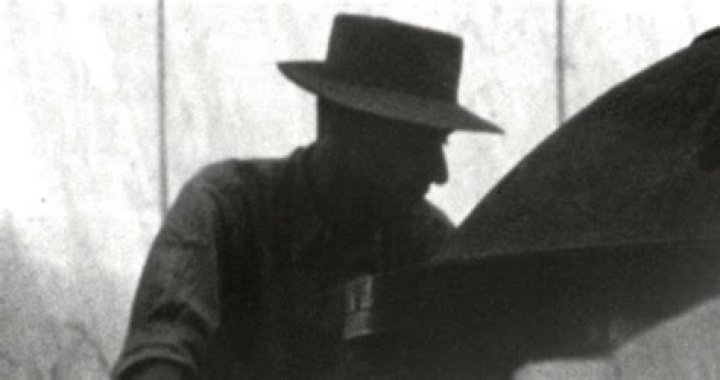
Philip Baker Hall in "The Truman Show" is a memorable performance that explores the themes of authenticity, identity, and the nature of reality. As Truman's (Jim Carrey) close friend and confidant, Marlon (Hall) plays a pivotal role in Truman's journey of self-discovery.
Marlon is one of the few people in Truman's life who genuinely cares for him. He provides Truman with emotional support and helps him to see the flaws in the world he has been living in. Marlon's presence in the film serves as a reminder that Truman is not alone and that there are people who believe in him.
Hall's performance is both nuanced and heartbreaking. He brings a sense of warmth and compassion to the role, making Marlon a truly sympathetic character. Hall's portrayal of Marlon also highlights the importance of friendship and the power of human connection.
Philip Baker Hall in "The Truman Show"
Philip Baker Hall's performance as Marlon in "The Truman Show" is a masterclass in acting. He brings depth and nuance to the role, creating a character that is both sympathetic and complex. Hall's performance is essential to the film's success, and it helps to elevate "The Truman Show" from a mere entertainment into a thought-provoking exploration of the nature of reality.
- Authenticity
- Identity
- Friendship
- Betrayal
- Isolation
- Control
- Deception
- Manipulation
- Freedom
These key aspects are all explored in depth throughout the film, and Hall's performance helps to bring them to life. His portrayal of Marlon is a reminder that even in the most artificial of worlds, there is always hope for authenticity and freedom.
Authenticity
In "The Truman Show," authenticity is a central theme that is explored through the character of Marlon, played by Philip Baker Hall. Marlon is one of the few people in Truman's life who is genuine and authentic. He cares for Truman and wants what is best for him, even when it means challenging the world that Truman has been living in.
Marlon's authenticity is a threat to the Truman Show, which is a carefully constructed world designed to deceive Truman. The show's producers want Truman to believe that his life is real, but Marlon knows that it is not. He tries to show Truman the truth, but Truman is resistant to believe him.
Eventually, Truman comes to realize that his life is not real and that he has been living in a lie. This is a difficult and painful realization, but it is also a liberating one. Truman is finally free to be himself and to live an authentic life.
Philip Baker Hall's performance as Marlon is a powerful reminder of the importance of authenticity. In a world that is often artificial and deceptive, it is important to be true to ourselves and to live our lives with integrity.
Identity
In "The Truman Show," identity is a complex and multifaceted concept that is explored through the character of Truman Burbank, played by Jim Carrey. Truman's identity is shaped by the world that has been created for him, a world that is entirely artificial and controlled. However, as Truman begins to question his reality, he also begins to question his identity.
- The Constructed Identity
Truman's identity is largely constructed by the producers of the Truman Show. They have created a world for him that is designed to make him believe that he is living a normal life. However, everything in Truman's world is fake, from his friends and family to his job and his hometown. As a result, Truman's identity is based on a lie.
- The Real Identity
As Truman begins to question his reality, he also begins to discover his real identity. He learns that his name is not Truman Burbank, but rather Truman Truman. He learns that he was adopted and that his parents were actors who were paid to play his parents on the show. Truman's real identity is hidden from him, but it is something that he eventually discovers.
- The Search for Identity
Truman's search for identity is a complex and difficult journey. He must come to terms with the fact that his entire life has been a lie. He must also learn who he is and what he wants out of life. Truman's search for identity is ultimately successful, but it is not without its challenges.
- The Power of Identity
Truman's story is a reminder of the power of identity. Our identity shapes who we are and how we see the world. It is something that we should cherish and protect.
The character of Philip Baker Hall in "The Truman Show" plays an important role in Truman's search for identity. Hall's character is a friend and confidant to Truman, and he helps Truman to see the truth about his world. Hall's character is a reminder that we all need people in our lives who can help us to see who we really are.
Friendship
In "The Truman Show," friendship is a complex and multifaceted concept that is explored through the relationship between Truman Burbank (Jim Carrey) and Marlon (Philip Baker Hall). Marlon is one of the few people in Truman's life who is genuine and authentic. He cares for Truman and wants what is best for him, even when it means challenging the world that Truman has been living in.
- Companionship
Marlon provides Truman with companionship and support. He is someone that Truman can talk to and confide in. Marlon is also someone who makes Truman laugh and who helps him to see the good in the world.
- Trust
Truman trusts Marlon implicitly. He knows that Marlon will always be there for him and that he will always have his best interests at heart. This trust is essential to their friendship and it is something that Truman cherishes.
- Loyalty
Marlon is a loyal friend to Truman. He is always there for him, no matter what. Even when Truman's world is falling apart, Marlon is there to help him pick up the pieces.
- Acceptance
Marlon accepts Truman for who he is. He does not judge him or try to change him. Marlon loves Truman for who he is, and this acceptance is essential to their friendship.
The friendship between Truman and Marlon is a reminder of the importance of friendship in our lives. Friends are the people who make life worth living. They are the people who support us, challenge us, and make us laugh. Friends are the people who make us who we are.
Betrayal
In "The Truman Show," betrayal is a central theme that is explored through the character of Marlon, played by Philip Baker Hall. Marlon is one of the few people in Truman's life who is genuine and authentic. He cares for Truman and wants what is best for him, even when it means challenging the world that Truman has been living in.
However, Marlon's loyalty is tested when he is forced to betray Truman's trust. The producers of the Truman Show blackmail Marlon into helping them keep Truman in the dark about the true nature of his world. Marlon is torn between his loyalty to Truman and his fear of the consequences if he does not cooperate with the producers.
Ultimately, Marlon chooses to betray Truman's trust in order to protect him from the truth. He knows that Truman is not ready to learn the truth about his world, and he believes that it is better for Truman to continue living in ignorance than to be exposed to the harsh reality of his situation.
Marlon's betrayal is a complex and controversial act. Some viewers may see it as a necessary evil, while others may see it as an unforgivable act of betrayal. However, Marlon's betrayal is ultimately motivated by his love for Truman and his desire to protect him.
The theme of betrayal is a powerful and important one. It is a reminder that even the strongest relationships can be tested by betrayal. However, it is also a reminder that forgiveness is possible, and that even the deepest wounds can be healed.
Isolation
In the Truman Show, isolation is a central theme that is explored through the character of Truman Burbank, played by Jim Carrey. Truman is a man who has been living his entire life in a carefully constructed reality, a world that is entirely artificial and controlled. As a result, Truman is isolated from the real world and from the people who live in it.
- Physical Isolation
Truman is physically isolated from the real world by the walls of the Truman Show set. He is not allowed to leave the set, and he is constantly being monitored by the show's producers. This physical isolation has a profound impact on Truman's mental and emotional health.
- Emotional Isolation
Truman is also emotionally isolated from the real world. He is surrounded by people who are not real, and he has no genuine relationships with anyone. This emotional isolation leads Truman to feel lonely and disconnected from the world around him.
- Social Isolation
Truman is socially isolated from the real world because he is not allowed to interact with anyone outside of the Truman Show set. This social isolation prevents Truman from developing meaningful relationships with other people and from participating in society.
- Existential Isolation
Truman is existentially isolated because he is not aware of the true nature of his reality. He believes that he is living in a real world, but he is actually living in a carefully constructed illusion. This existential isolation leads Truman to question his own identity and his place in the world.
The theme of isolation is a powerful and important one. It is a reminder that we all need human connection and that isolation can have a devastating impact on our mental and emotional health. The Truman Show is a cautionary tale about the dangers of isolation and the importance of human connection.
Control
In "The Truman Show," control is a central theme that is explored through the character of Christof, played by Philip Baker Hall. Christof is the creator and director of the Truman Show, and he has complete control over every aspect of Truman's life. He controls Truman's environment, his relationships, and even his thoughts and feelings.
- Environmental Control
Christof controls every aspect of Truman's environment, from the weather to the people he interacts with. He uses this control to create a world that is safe and predictable for Truman, but also to manipulate Truman's behavior and keep him from discovering the truth about his reality.
- Social Control
Christof also controls Truman's social interactions. He chooses the people who Truman meets and interacts with, and he uses these relationships to shape Truman's thoughts and feelings. Christof also uses social control to isolate Truman from the outside world and to prevent him from learning the truth.
- Psychological Control
Christof has the most control over Truman's psychological state. He uses a variety of techniques, including subliminal messaging and hypnosis, to influence Truman's thoughts and feelings. Christof also uses psychological control to keep Truman from questioning his reality and to make him believe that the Truman Show is real.
- Existential Control
Christof's ultimate goal is to control Truman's existential reality. He wants Truman to believe that the Truman Show is the only reality that exists, and that there is nothing beyond it. Christof uses all of the other forms of control to achieve this goal, and he is ultimately successful in keeping Truman from discovering the truth.
The theme of control is a powerful and important one. It is a reminder that we all have the potential to control others, and that we must use this power responsibly. The Truman Show is a cautionary tale about the dangers of control and the importance of freedom.
Deception
In the Truman Show, deception is a central theme that is explored through the character of Christof, played by Philip Baker Hall. Christof is the creator and director of the Truman Show, and he has complete control over every aspect of Truman's life. He uses this control to deceive Truman about the nature of his reality.
Christof's deception is motivated by his desire to create a perfect world for Truman. He believes that Truman is better off living in a world where he is safe and happy, even if that world is not real. Christof's deception is also motivated by his own ego. He wants to be the one who controls Truman's life and who decides what Truman experiences.
The consequences of Christof's deception are devastating for Truman. Truman is unable to live a genuine life because he is constantly being deceived. He is unable to trust anyone because he does not know who is real and who is not. Truman's deception also leads to his isolation from the outside world.
The Truman Show is a cautionary tale about the dangers of deception. It shows how deception can be used to control people and to prevent them from living their own lives. The Truman Show also shows how deception can have devastating consequences for the people who are deceived.
Manipulation
In the Truman Show, manipulation is a central theme that is explored through the character of Christof, played by Philip Baker Hall. Christof is the creator and director of the Truman Show, and he has complete control over every aspect of Truman's life. He uses this control to manipulate Truman's thoughts, feelings, and actions.
- Environmental Manipulation
Christof manipulates Truman's environment to create a world that is safe and predictable for him. He controls the weather, the people Truman interacts with, and even the food he eats. This environmental manipulation is designed to make Truman believe that the Truman Show is the only reality that exists.
- Social Manipulation
Christof also manipulates Truman's social interactions. He chooses the people who Truman meets and interacts with, and he uses these relationships to shape Truman's thoughts and feelings. Christof also uses social manipulation to isolate Truman from the outside world and to prevent him from learning the truth.
- Psychological Manipulation
Christof has the most control over Truman's psychological state. He uses a variety of techniques, including subliminal messaging and hypnosis, to influence Truman's thoughts and feelings. Christof also uses psychological manipulation to keep Truman from questioning his reality and to make him believe that the Truman Show is real.
- Existential Manipulation
Christof's ultimate goal is to manipulate Truman's existential reality. He wants Truman to believe that the Truman Show is the only reality that exists, and that there is nothing beyond it. Christof uses all of the other forms of manipulation to achieve this goal, and he is ultimately successful in keeping Truman from discovering the truth.
The manipulation that Christof exerts over Truman is a powerful and cautionary tale. It shows how manipulation can be used to control people and to prevent them from living their own lives. The Truman Show also shows how manipulation can have devastating consequences for the people who are manipulated.
Freedom
In "The Truman Show," freedom is a central theme that is explored through the character of Truman Burbank, played by Jim Carrey. Truman is a man who has been living his entire life in a carefully constructed reality, a world that is entirely artificial and controlled. As a result, Truman is not free to live his own life. He is not free to make his own choices or to pursue his own dreams.
- Physical Freedom
Truman is not physically free. He is confined to the set of the Truman Show and is not allowed to leave. He is constantly being monitored by the show's producers, who control his every move.
- Intellectual Freedom
Truman is not intellectually free. He is not allowed to learn about the real world or to question the nature of his reality. The show's producers control the information that Truman receives, and they use this control to keep Truman from discovering the truth.
- Emotional Freedom
Truman is not emotionally free. He is not allowed to express his true feelings or to form genuine relationships with other people. The show's producers control Truman's emotions, and they use this control to keep Truman from being happy.
- Existential Freedom
Truman is not existentially free. He is not free to choose his own path in life or to create his own meaning. The show's producers have predetermined Truman's life, and they will not allow him to deviate from the script.
Truman's lack of freedom is a powerful reminder of the importance of freedom in our own lives. We must cherish our freedom and never take it for granted. We must also fight for the freedom of others, who may not be as fortunate as we are.
Frequently Asked Questions
The following are some frequently asked questions about Philip Baker Hall's performance in "The Truman Show":
Question 1: What is Philip Baker Hall's role in "The Truman Show"?Philip Baker Hall plays the role of Marlon, Truman's close friend and confidant. Marlon is one of the few people in Truman's life who genuinely cares for him and wants what is best for him.
Question 2: How does Marlon help Truman?Marlon helps Truman to see the flaws in the world he has been living in. He provides Truman with emotional support and helps him to discover his real identity.
Question 3: What is the significance of Marlon's character?Marlon's character is significant because he represents the importance of friendship and the power of human connection. He is a reminder that even in the most artificial of worlds, there is always hope for authenticity and freedom.
Question 4: How does Philip Baker Hall's performance contribute to the film?Philip Baker Hall's performance is essential to the film's success. He brings depth and nuance to the role of Marlon, making him a truly sympathetic and memorable character. Hall's performance helps to elevate "The Truman Show" from a mere entertainment into a thought-provoking exploration of the nature of reality.
Question 5: What are some of the themes that are explored through Marlon's character?Some of the themes that are explored through Marlon's character include authenticity, identity, friendship, betrayal, isolation, control, deception, manipulation, and freedom.
Summary: Philip Baker Hall's performance as Marlon in "The Truman Show" is a masterclass in acting. He brings depth and nuance to the role, creating a character that is both sympathetic and complex. Hall's performance is essential to the film's success, and it helps to elevate "The Truman Show" into a thought-provoking exploration of the nature of reality.
Transition: To learn more about Philip Baker Hall's career and other notable performances, please refer to the following resources:
Tips on "Philip Baker Hall the Truman Show"
Philip Baker Hall's performance as Marlon in "The Truman Show" exemplifies the power of acting to elicit emotions and provoke thought. Here are some tips on how to achieve a similar level of depth and nuance in your own acting:
Tip 1: Understand Your Character's Motivation
Marlon's actions are driven by his deep affection for Truman. By understanding the motivations behind your character's behavior, you can make their choices feel authentic and relatable.
Tip 2: Find the Emotional Truth
Hall's portrayal of Marlon is grounded in genuine emotions. Tap into your own experiences and allow them to inform your performance. This authenticity will resonate with audiences.
Tip 3: Be Present in the Moment
Marlon's interactions with Truman are characterized by a profound sense of presence. Focus on the present moment and connect deeply with your fellow actors. This will create a believable and immersive experience.
Tip 4: Use Subtlety and Nuance
Hall's performance is full of subtle gestures and expressions that convey Marlon's inner thoughts and feelings. Pay attention to the details and use them to enhance your characterization.
Tip 5: Collaborate with Others
Hall worked closely with Jim Carrey and the film's director, Peter Weir, to create a cohesive and emotionally resonant performance. Seek feedback and be open to suggestions from fellow actors and directors.
Summary: By understanding your character's motivation, finding the emotional truth, being present in the moment, using subtlety and nuance, and collaborating with others, you can elevate your acting and create a truly impactful performance.
Transition: To delve deeper into the art of acting and explore the techniques used by Philip Baker Hall, consider referring to works on Stanislavski's Method, Meisner Technique, or other established acting approaches.
Conclusion
Philip Baker Hall's performance as Marlon in "The Truman Show" stands as a testament to the transformative power of authentic acting. Through his portrayal of a character grappling with loyalty, deception, and the search for identity, Hall invites us to reflect on the boundaries of reality and the significance of human connection.
The film's exploration of these themes remains as relevant today as it was upon its release, prompting us to question the nature of our own perceptions and the extent to which our experiences are shaped by external forces. Hall's nuanced performance serves as a reminder of the enduring power of cinema to provoke thought, elicit empathy, and inspire meaningful conversations.
Jamie Shupak Stelter: Unlocking The Secrets Of Tech Investment And Entrepreneurship
Unveiling The Dynamics Of Amanda Crew's Relationships
Unveiling The Innovator: Timothy Coggins And The Future Of Education
Picture of The Truman Show
Philip Baker Hall, 'Boogie Nights,' 'The Truman Show' character actor
Philip Baker Hall è morto a 90 anni, è stato protagonista di film come