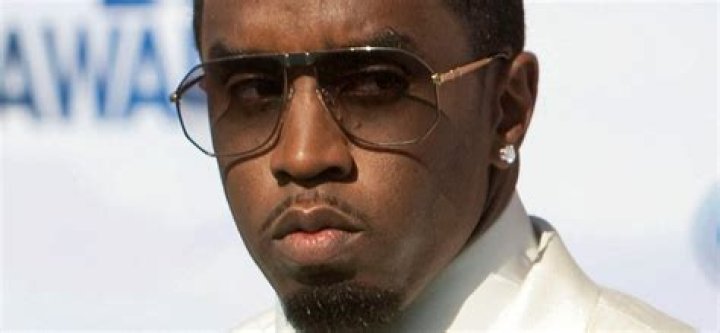
What is wrong with Forest Whitaker's eye? Forest Whitaker has ptosis, a condition that causes drooping of the eyelid. The condition is usually caused by weakness or damage to the muscles that control the eyelid. In Whitaker's case, the ptosis is thought to have been caused by a birth injury.
Ptosis can range in severity, from mild to severe. In severe cases, the drooping eyelid can block vision. Treatment for ptosis typically involves surgery to tighten the muscles that control the eyelid.
Whitaker has chosen not to have surgery to correct his ptosis. He has said that the condition does not bother him and that he does not want to change his appearance.
Whitaker's ptosis has become a distinctive feature of his appearance. He has embraced the condition and has not let it stop him from having a successful career in acting. In fact, some people believe that his ptosis gives him a unique and charismatic look.
What is wrong with Forest Whitaker's eye
Forest Whitaker has ptosis, a condition that causes drooping of the eyelid. Ptosis can range in severity, from mild to severe. In severe cases, the drooping eyelid can block vision. Treatment for ptosis typically involves surgery to tighten the muscles that control the eyelid. Whitaker has chosen not to have surgery to correct his ptosis. He has said that the condition does not bother him and that he does not want to change his appearance.
- drooping eyelid
- muscle weakness
- birth injury
- cosmetic appearance
- unique characteristic
- acting career
- personal choice
- positive attitude
- acceptance of difference
Whitaker's ptosis has become a distinctive feature of his appearance. He has embraced the condition and has not let it stop him from having a successful career in acting. In fact, some people believe that his ptosis gives him a unique and charismatic look. Whitaker's story is an inspiring example of how people can overcome physical challenges to achieve their goals.
Drooping Eyelid
Drooping eyelid, also known as ptosis, is a condition that affects the eyelid, causing it to droop. This can range from a mild droop that is barely noticeable to a severe droop that can block vision. Ptosis can be caused by a variety of factors, including muscle weakness, nerve damage, or birth defects. In Forest Whitaker's case, his ptosis is thought to have been caused by a birth injury.
- Muscle weakness is a common cause of ptosis. The muscles that control the eyelid can become weak due to age, injury, or disease. This can lead to the eyelid drooping.
- Nerve damage can also cause ptosis. The nerves that control the eyelid can be damaged by injury, infection, or tumors. This can lead to the eyelid drooping.
- Birth defects can also cause ptosis. Some babies are born with ptosis due to a problem with the development of the muscles or nerves that control the eyelid.
Ptosis can be treated with surgery to tighten the muscles that control the eyelid. However, in some cases, surgery is not necessary. If the ptosis is mild, it may not need to be treated. If the ptosis is severe and blocking vision, surgery may be necessary to correct it.
Muscle Weakness
Muscle weakness is a common cause of ptosis, the drooping of the eyelid. The muscles that control the eyelid can become weak due to age, injury, or disease. In Forest Whitaker's case, his ptosis is thought to have been caused by a birth injury.
- Age-related muscle weakness is a common cause of ptosis in older adults. As we age, the muscles that control the eyelid can become weaker, leading to drooping.
- Injury to the muscles that control the eyelid can also cause ptosis. This can occur due to trauma, such as a car accident or a sports injury.
- Diseases that affect the muscles, such as myasthenia gravis, can also cause ptosis. Myasthenia gravis is a neuromuscular disorder that causes muscle weakness and fatigue.
Ptosis can range in severity from mild to severe. In mild cases, the drooping eyelid may be barely noticeable. In severe cases, the drooping eyelid can block vision. Treatment for ptosis typically involves surgery to tighten the muscles that control the eyelid. However, in some cases, surgery is not necessary. If the ptosis is mild, it may not need to be treated. If the ptosis is severe and blocking vision, surgery may be necessary to correct it.
Birth Injury
Birth injury is a general term for any injury that occurs to a baby during childbirth. Birth injuries can range in severity from minor bruises and cuts to serious injuries that can cause lifelong disabilities. One type of birth injury that can affect the eye is ptosis, which is a drooping of the eyelid.
- Nerve damage is a common cause of ptosis in newborns. The nerves that control the eyelid can be damaged during childbirth, leading to weakness or paralysis of the muscles that control the eyelid. This can cause the eyelid to droop.
- Muscle damage can also cause ptosis in newborns. The muscles that control the eyelid can be damaged during childbirth, leading to weakness or paralysis of the muscles. This can cause the eyelid to droop.
- Birth defects can also cause ptosis in newborns. Some babies are born with ptosis due to a problem with the development of the muscles or nerves that control the eyelid.
Ptosis can range in severity from mild to severe. In mild cases, the drooping eyelid may be barely noticeable. In severe cases, the drooping eyelid can block vision. Treatment for ptosis typically involves surgery to tighten the muscles that control the eyelid. However, in some cases, surgery is not necessary. If the ptosis is mild, it may not need to be treated. If the ptosis is severe and blocking vision, surgery may be necessary to correct it.
Cosmetic Appearance
Forest Whitaker's ptosis, or drooping eyelid, is a distinctive feature of his appearance. While some may view it as a flaw, Whitaker has embraced his ptosis and has not let it stop him from having a successful career in acting. In fact, some people believe that his ptosis gives him a unique and charismatic look.
- Individuality and Expression: Whitaker's ptosis is a part of what makes him unique. It is a physical characteristic that sets him apart from others and gives him a distinctive appearance. This can be seen as a positive thing, as it can help Whitaker to stand out from the crowd and be more memorable.
- Challenge and Acceptance: Whitaker's ptosis is a challenge that he has had to face throughout his life. However, he has chosen to accept his condition and not let it define him. This is a positive example of how people can overcome physical challenges and achieve their goals.
- Beauty Standards and Diversity: Whitaker's ptosis challenges traditional beauty standards. It shows that beauty is not just about having a perfect physical appearance. True beauty is about being confident and comfortable in your own skin, regardless of your physical flaws.
- Representation and Inclusion: Whitaker's success as an actor with ptosis is an important example of representation and inclusion. It shows that people with disabilities can be successful in all areas of life, including the entertainment industry. This can help to break down stereotypes and create a more inclusive society.
Whitaker's story is an inspiring example of how people can overcome physical challenges and achieve their goals. His ptosis has not stopped him from becoming a successful actor and a role model for others.
Unique Characteristic
Forest Whitaker's ptosis, or drooping eyelid, is a unique characteristic that has become a distinctive part of his appearance. While some may view it as a flaw, Whitaker has embraced his ptosis and has not let it stop him from having a successful career in acting. In fact, some people believe that his ptosis gives him a unique and charismatic look.
- Embracing Differences: Whitaker's ptosis is a physical characteristic that sets him apart from others. However, instead of hiding or trying to correct it, Whitaker has embraced his ptosis and made it a part of his identity. This is a positive example of how people can accept and appreciate their unique characteristics.
- Overcoming Challenges: Whitaker's ptosis has presented challenges throughout his life. However, he has not let his condition define him or limit his potential. Whitaker's story is an inspiring example of how people can overcome physical challenges and achieve their goals.
- Redefining Beauty: Whitaker's ptosis challenges traditional beauty standards. It shows that beauty is not just about having a perfect physical appearance. True beauty is about being confident and comfortable in your own skin, regardless of your physical flaws.
- Representation and Inclusion: Whitaker's success as an actor with ptosis is an important example of representation and inclusion. It shows that people with disabilities can be successful in all areas of life, including the entertainment industry. This can help to break down stereotypes and create a more inclusive society.
Whitaker's ptosis is a reminder that what makes us different can also make us unique and special. By embracing our differences, we can challenge societal norms and create a more inclusive and accepting world.
Acting Career
Forest Whitaker's ptosis, or drooping eyelid, is a unique characteristic that has become a distinctive part of his appearance. While some may view it as a flaw, Whitaker has embraced his ptosis and has not let it stop him from having a successful career in acting. In fact, some people believe that his ptosis gives him a unique and charismatic look.
Whitaker's ptosis has affected his acting career in both positive and negative ways. On the one hand, it has given him a distinctive appearance that has helped him to stand out from other actors. This has led to him being cast in a variety of roles, including both villains and heroes. On the other hand, his ptosis can also be a challenge, as it can make it difficult for him to express certain emotions. However, Whitaker has overcome this challenge and has become one of the most respected actors in Hollywood.
Whitaker's success as an actor with ptosis is an important example of representation and inclusion. It shows that people with disabilities can be successful in all areas of life, including the entertainment industry. This can help to break down stereotypes and create a more inclusive society.
Personal Choice
Forest Whitaker's decision not to have surgery to correct his ptosis, or drooping eyelid, is a personal choice that he has made. There are many factors that may have influenced his decision, including his own personal beliefs and values, his experiences with ptosis, and his career as an actor.
- Acceptance of Self: Whitaker's decision not to have surgery may be a reflection of his acceptance of himself and his own unique physical characteristics. He may feel that his ptosis is a part of who he is and that it does not need to be changed.
- Positive Body Image: Whitaker has a positive body image and does not view his ptosis as a flaw. He is comfortable with his appearance and does not feel the need to change it.
- Career Considerations: Whitaker's ptosis has become a distinctive part of his appearance and may have contributed to his success as an actor. He may feel that having surgery to correct his ptosis would alter his appearance and potentially harm his career.
Ultimately, the decision of whether or not to have surgery to correct ptosis is a personal one. There is no right or wrong answer, and each individual must make the decision that is best for them. Whitaker's decision not to have surgery is a reflection of his own personal beliefs and values, and it is a decision that he has made for himself.
Positive Attitude
Forest Whitaker's positive attitude towards his ptosis, or drooping eyelid, is an inspiring example of how people can overcome physical challenges and achieve their goals. Whitaker has never let his ptosis define him or limit his potential. Instead, he has embraced his unique characteristic and has used it to his advantage.
Whitaker's positive attitude has been a major factor in his success as an actor. He has been able to use his ptosis to create memorable and nuanced characters. In fact, some people believe that his ptosis gives him a unique and charismatic look.
Whitaker's story is a reminder that our attitudes can have a profound impact on our lives. By choosing to embrace our differences and focus on our strengths, we can overcome any challenge and achieve our goals.
Acceptance of Difference
Forest Whitaker's acceptance of his ptosis, or drooping eyelid, is an inspiring example of how people can overcome physical challenges and achieve their goals. His ptosis has never stopped him from pursuing his dreams and has even become a distinctive part of his appearance.
- Embracing Individuality: Whitaker has embraced his ptosis as a part of his identity. He does not view it as a flaw, but rather as a unique characteristic that makes him stand out from others.
- Challenging Societal Norms: Whitaker's acceptance of his ptosis challenges traditional beauty standards. He shows that true beauty is not defined by physical perfection, but by confidence and self-acceptance.
- Creating Inclusivity: Whitaker's success as an actor with ptosis is an important example of representation and inclusion. It shows that people with disabilities can be successful in all areas of life.
- Inspiring Others: Whitaker's story is an inspiration to others who may be struggling with their own physical differences. It shows that it is possible to overcome challenges and achieve success.
Whitaker's acceptance of difference is a reminder that we should all embrace our own unique characteristics. By celebrating our differences, we can create a more inclusive and accepting society.
FAQs about Forest Whitaker's Eye
Forest Whitaker is an American actor, director, and producer. He is known for his distinctive appearance, which includes a drooping eyelid. This condition is called ptosis and is caused by weakness or damage to the muscles that control the eyelid.
Question 1: What is wrong with Forest Whitaker's eye?
Answer: Forest Whitaker has ptosis, a condition that causes drooping of the eyelid.
Question 2: What causes ptosis?
Answer: Ptosis can be caused by a variety of factors, including muscle weakness, nerve damage, or birth defects.
Question 3: Is ptosis a serious condition?
Answer: Ptosis is usually not a serious condition, but it can be if it blocks vision.
Question 4: Can ptosis be treated?
Answer: Ptosis can be treated with surgery to tighten the muscles that control the eyelid.
Question 5: Why hasn't Forest Whitaker had surgery to correct his ptosis?
Answer: Forest Whitaker has chosen not to have surgery to correct his ptosis. He has said that the condition does not bother him and that he does not want to change his appearance.
Question 6: Does Forest Whitaker's ptosis affect his acting?
Answer: Forest Whitaker's ptosis has not affected his acting career. In fact, some people believe that his ptosis gives him a unique and charismatic look.
Summary: Forest Whitaker's ptosis is a condition that causes his eyelid to droop. The condition is not serious and does not affect his acting career. Whitaker has chosen not to have surgery to correct his ptosis because he does not want to change his appearance.
Transition to the next article section: Forest Whitaker is an accomplished actor who has starred in a variety of films and television shows. He is known for his distinctive appearance, which includes his drooping eyelid. Whitaker's ptosis has not stopped him from achieving success in his career and is an inspiration to others who may be struggling with their own physical differences.
Tips Related to "What's Wrong with Forest Whitaker's Eye"
Forest Whitaker's distinctive appearance, including his drooping eyelid, has been a topic of interest and discussion. Here are a few tips related to this topic:
Tip 1: Understand the Condition of PtosisPtosis is a medical condition characterized by drooping of the eyelid. It can be caused by various underlying factors, such as muscle weakness, nerve damage, or birth defects. Understanding the nature of ptosis can help in seeking appropriate medical attention and treatment options.Tip 2: Seek Professional Medical AdviceIf you or someone you know experiences drooping eyelids, it is advisable to seek professional medical advice. A medical professional, such as an ophthalmologist, can properly diagnose the cause of ptosis and recommend the most suitable treatment approach.Tip 3: Explore Treatment OptionsDepending on the severity and underlying cause of ptosis, different treatment options may be available. These can include nonsurgical methods, such as eyelid taping or corrective lenses, or surgical interventions to tighten the muscles controlling the eyelid. Consulting with a medical expert can help determine the best course of action.Tip 4: Consider Functional ImpactPtosis can sometimes affect an individual's vision, especially if the drooping eyelid significantly obstructs the field of view. In such cases, it is important to address the functional impact and discuss potential treatment options with a medical professional.Tip 5: Embrace Individuality and DifferencesWhile some individuals may seek medical intervention to correct ptosis, others may choose to embrace the condition as a unique aspect of their appearance. It is important to respect individual choices and recognize that physical differences are part of human diversity.Summary: Understanding the condition of ptosis, seeking professional medical advice, exploring treatment options, considering functional impact, and embracing individuality are important considerations related to Forest Whitaker's eye and similar conditions.Transition to the article's conclusion: Forest Whitaker's journey and personal choices regarding his ptosis serve as a reminder to appreciate individual differences and embrace the unique characteristics that make each person special.Conclusion
Our exploration of "what is wrong with Forest Whitaker's eye" has shed light on ptosis, a medical condition characterized by drooping eyelids. We have discussed the various potential causes of ptosis, as well as treatment options that may be available. Importantly, we have recognized the personal choices individuals make regarding their own unique characteristics, including whether or not to seek medical intervention.
Forest Whitaker's decision not to have surgery to correct his ptosis serves as a reminder to embrace individuality and challenge conventional beauty standards. His journey inspires us to value our differences and recognize that they are part of what makes us unique. By embracing our own unique characteristics, we create a more inclusive and accepting society where everyone feels valued and respected.
Unveiling The Unsung Hero Behind Siya Kolisi's Triumph
Unveiling Alison Brie's Siblings: Surprising Truths And Family Dynamics Revealed
Bo Burnham's Alive? Unraveling The Death Hoax And Uncovering The Truth
Forest Whitaker’s Eye Explained by an Eyelid Surgeon Understanding
Who is Kenn Whitaker? Meet Forest Whitaker's lookalike brother who is